

Great Apes
-
COMPARE Team Leads: Emma Nelson, Erica Cartmill
We’re exploring the origins of humor by studying playful teasing in apes, children, and other animals. Teasing provides a rich opportunity to study what teasers and targets understand about others’ intentions, reactions, and social bonds. This project is funded by the Templeton World Charity Foundation.
Selected work:
Laumer, I. B., Winkler, S. L., Rossano, F., & Cartmill, E. A. (2024). Spontaneous playful teasing in four great ape species. Proceedings of the Royal Society B, 291(2016)
Eckert, J., Winkler, S. L., & Cartmill, E. A. (2020). Just kidding: the evolutionary roots of playful teasing. Biology letters, 16(9)
-
COMPARE Teams Leads: Daan Laméris, Erica Cartmill
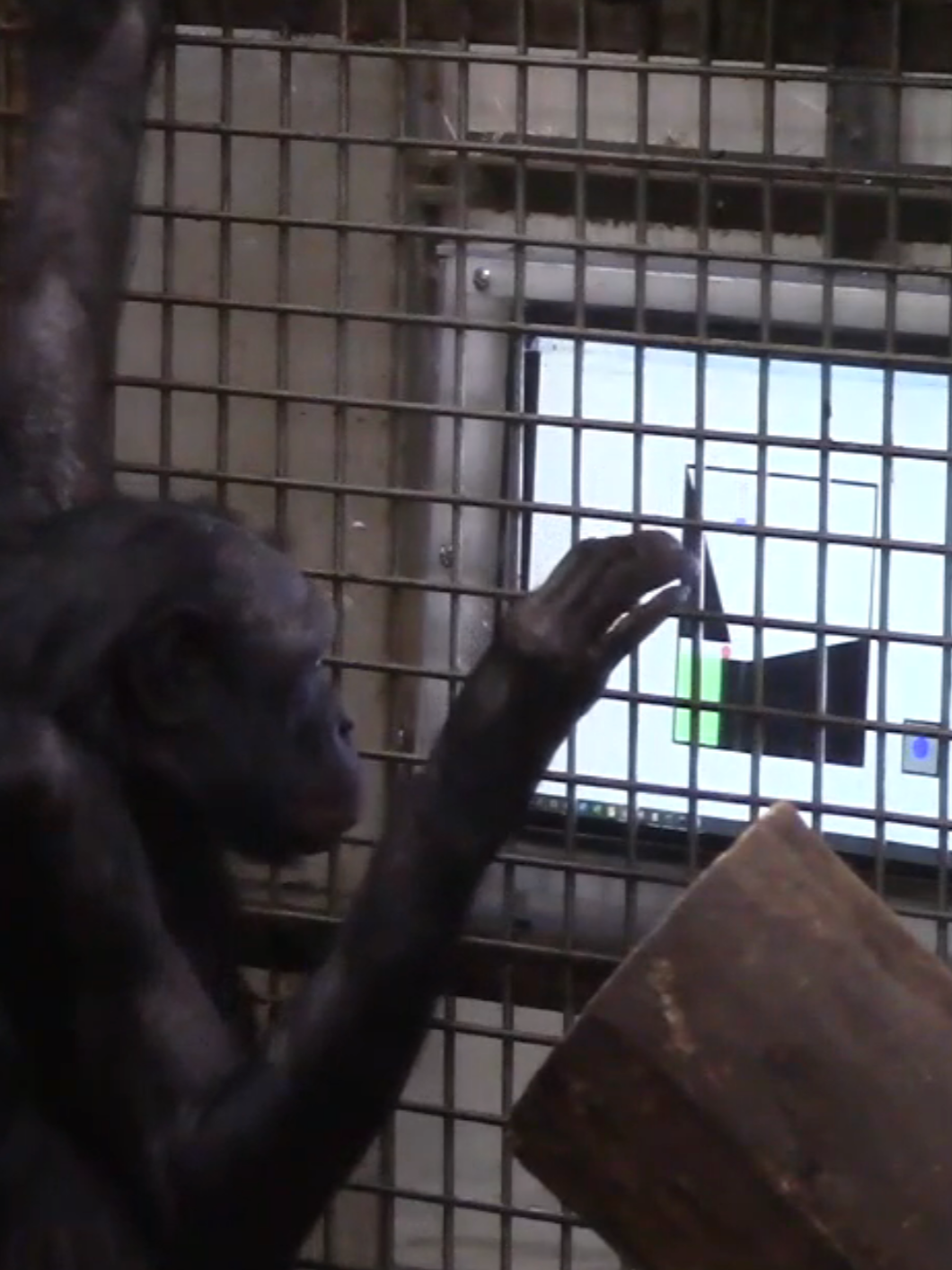
Why are humans so good at using tools? Does our reasoning differ in meaningful ways from other tool-using species? We’re collaborating with Planckendael Zoo and Josh Tenebaum’s Computational Cognitive Science Group at MIT to investigate and model the cognitive mechanisms underlying tool use in non-human great apes using a virtual tool use game. This project is funded by the Templeton World Charity Foundation.
-
COMPARE Team Leads: Daan Laméris, Emma Nelson, Erica Cartmill
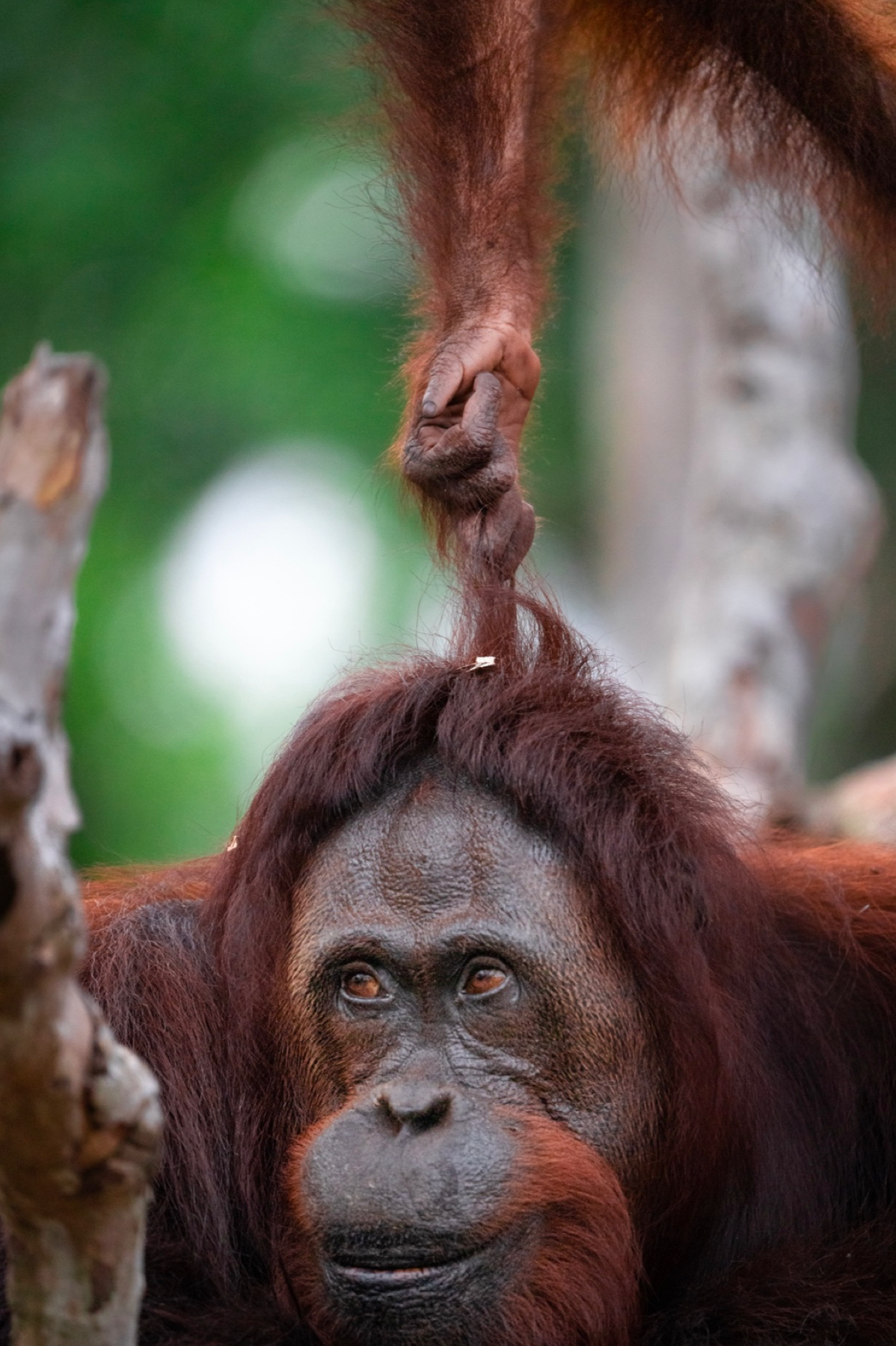
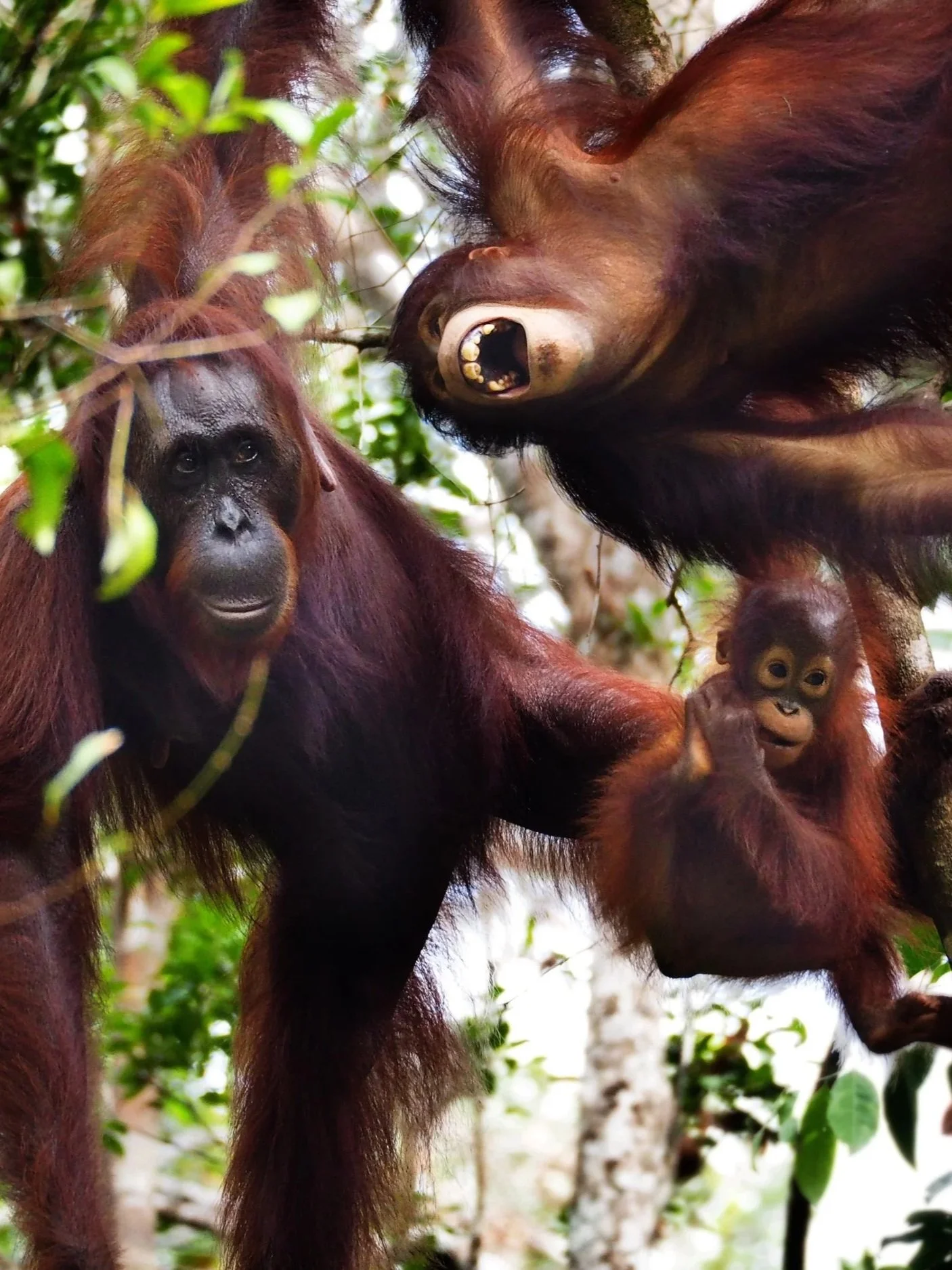
We all love to laugh! Laughter is present in all great ape species and plays an important social role in communication. We are currently exploring how orangutan laughter playbacks influence individuals’ affective bias toward positive rewards. This project is funded by the Templeton World Charity Foundation.
-
COMPARE Team Leads: Gal Badihi, Erica Cartmill
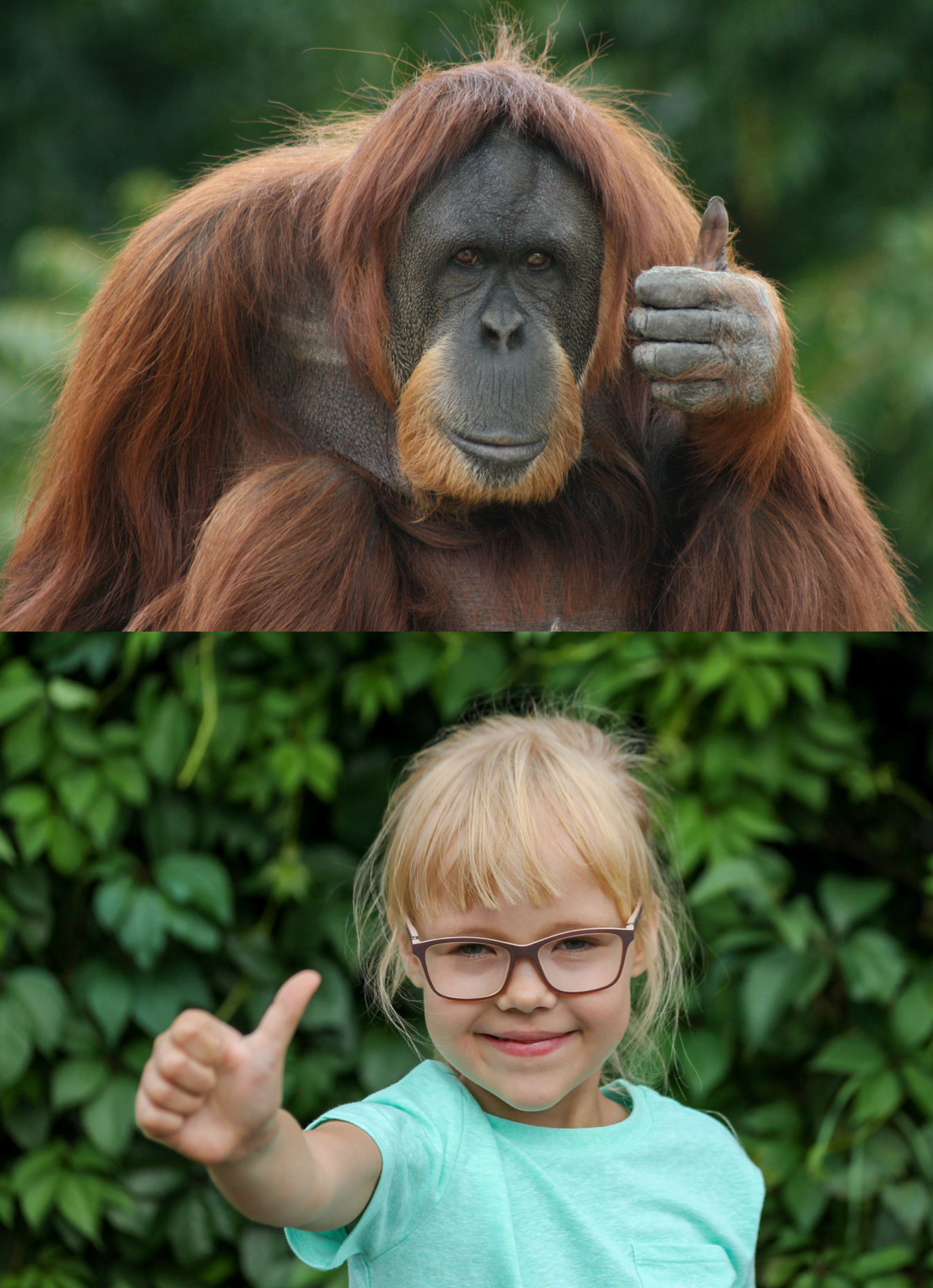
Gesture is a robust part of human language, and plays an even larger role in early childhood. But why do we gesture? Does it primarily help us communicate with others or organize our own thoughts? The gestures of other great apes are flexible, intentional, and often complex. Could human language have started first as gesture? Using a range of observational and experimental approaches, we study when and how people and other apes gesture and what impact it has on communication, thought, and learning.
Selected work:
Zhang, I., Izad, T., & Cartmill, E. A. (2024). Embodying Similarity and Difference: The Effect of Listing and Contrasting Gestures During US Political Speech.
Cartmill, E. A. (2023). Overcoming bias in the comparison of human language and animal communication. ]
Cartmill, E. A., & Hobaiter, C. (2019). Developmental perspectives on primate gesture: 100 years in the making.
Cartmill, E. A., Rissman, L., Novack, M. A., & Goldin-Meadow, S. (2017). The development of iconicity in children’s co-speech gesture and homesign.
Children
-
COMPARE Team Leads: Ying Zeng, Erica Cartmill
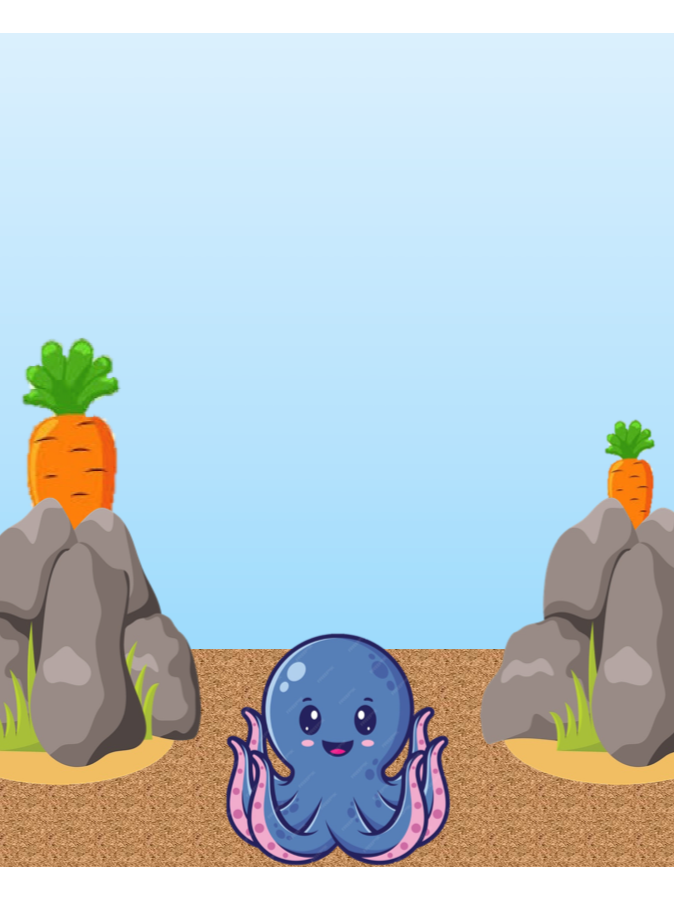
Young children show a knack for problem-solving and an understanding of probability. In this study, we want to understand how children make decision under uncertainty. Specifically, we want to investigate how children’s exploration is affected by their understandings of possibilities.
-
COMPARE Team Leads: Noah Baskin Monk, Erica Cartmill
Curiosity and self-guided exploration are important aspects of learning. However, learning also typically occurs in environments filled with social influences from other people. In this study, we are interested in how children aged 2 - 4 choose to explore, and how that exploration is influenced by what other people express interest in.
Dog Minds in Action (DOGMA)
-
COMPARE Teams Leads: Kelsey Rose, Noah Baskin Monk, Erica Cartmill
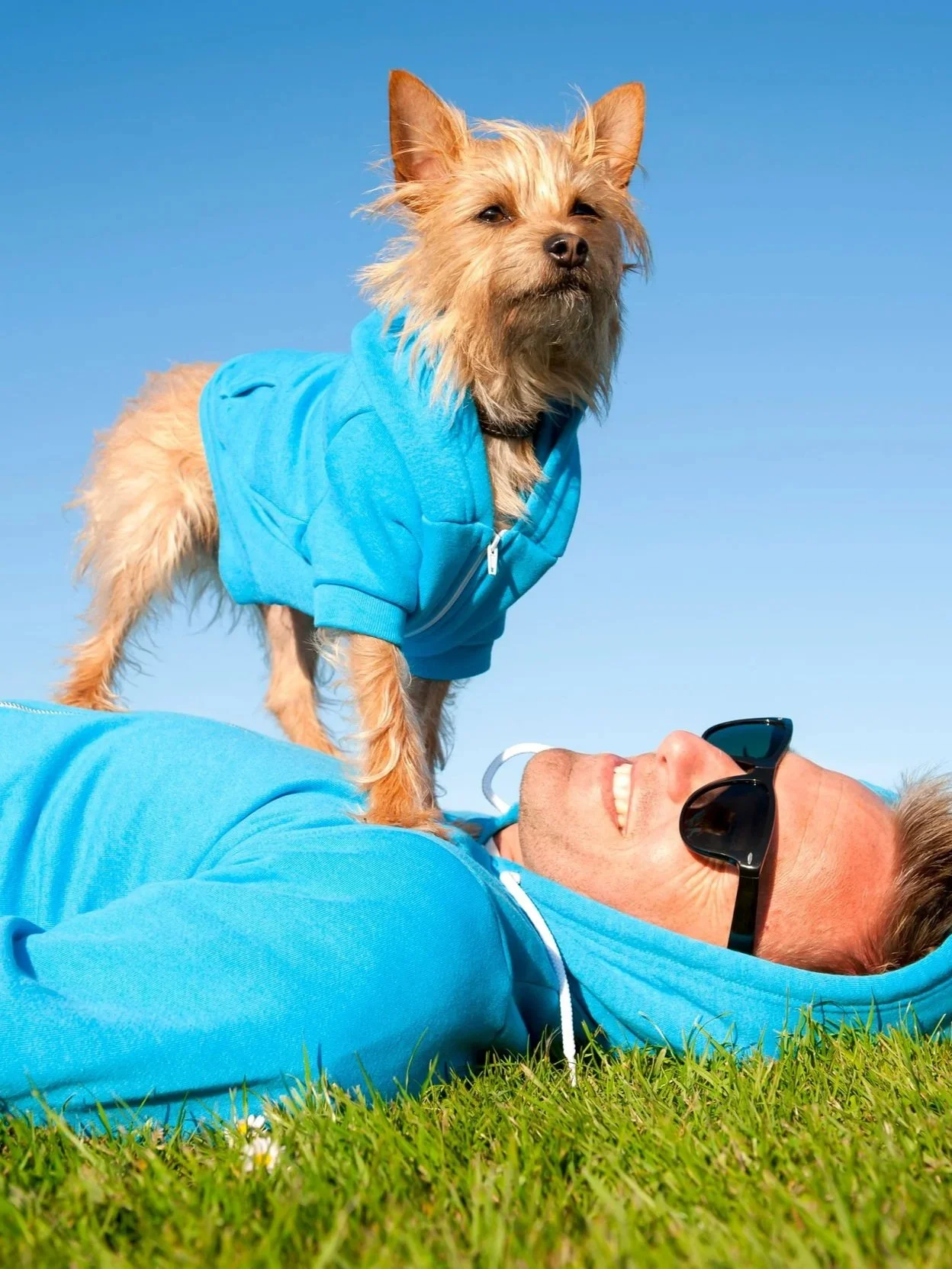
Our lab will be contributing to the Many Dogs 2 project, which investigates overimitation in Dogs. When learning to solve a problem, children tend to unnecessarily copy actions that are irrelevant to the goal. Other great apes, however, don’t show this tendency to overimitate. In Many Dogs 2, we will investigate the emerging evidence that Dogs may also show this tendency to overimitate when their owners complete an irrelevant action.
-
COMPARE Team Leads: Tiffani Thomason, Erica Cartmill
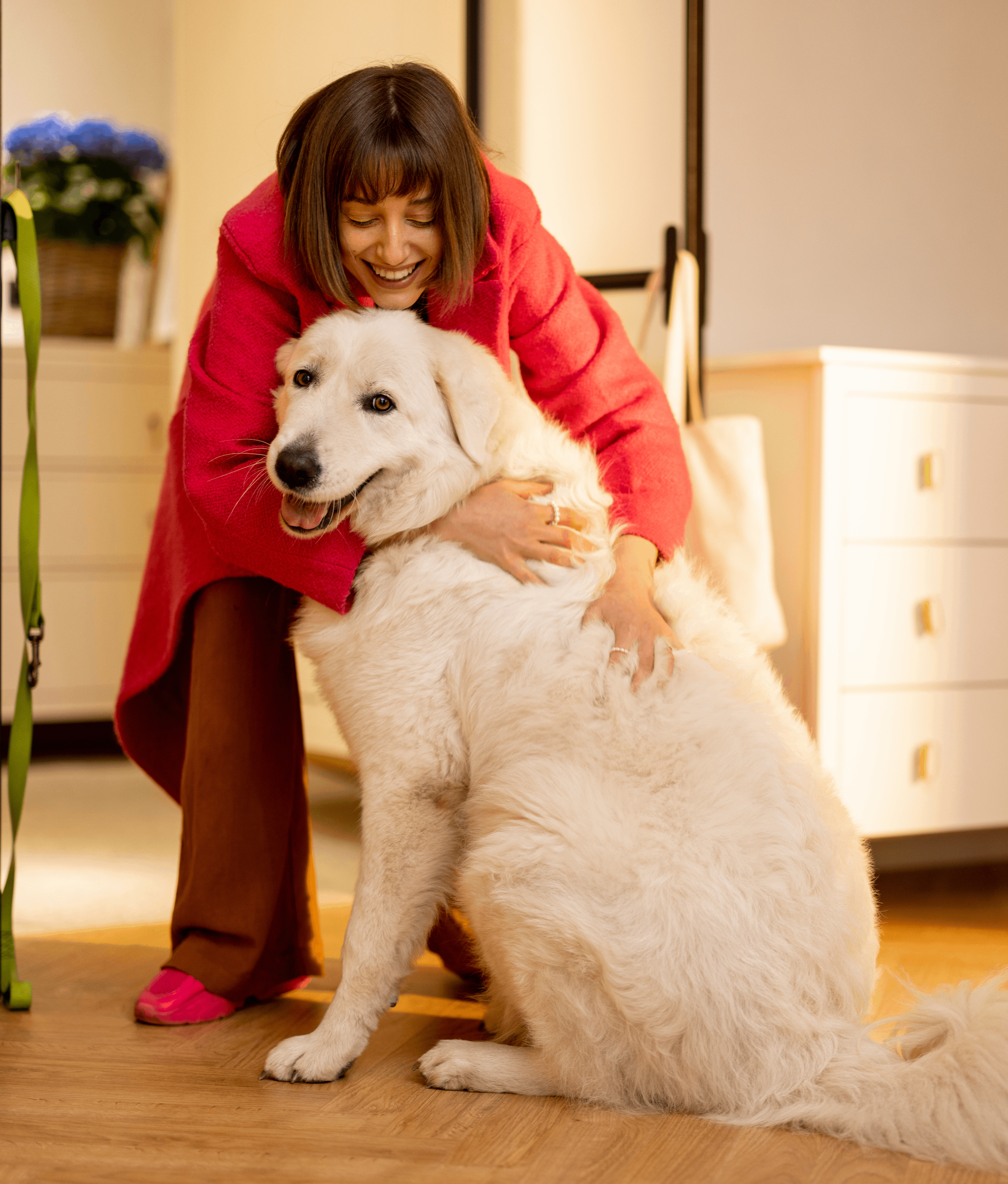
In this study, we are investigating how dogs behave when their owners leave home, what they do when they’re gone, and their reaction when their human returns home! By studying this behavior, we hope to learn more about how dogs express and feel separation anxiety
Dogs have evolved alongside humans for tens of thousands of years. They have been selected for their sociality and their ability to interpret our behavior. We are studying dogs’ ability to read cues and emotions in humans and other dogs. We are also conducting studies on emotional experience and expression in dogs with the goal of better understanding self-regulation and treating problems like separation anxiety.
-
COMPARE Team Leads: Kelsey Rose, Noah Baskin Monk, Erica Cartmill
Complete the survey here!: https://tinyurl.com/5hau4vw3
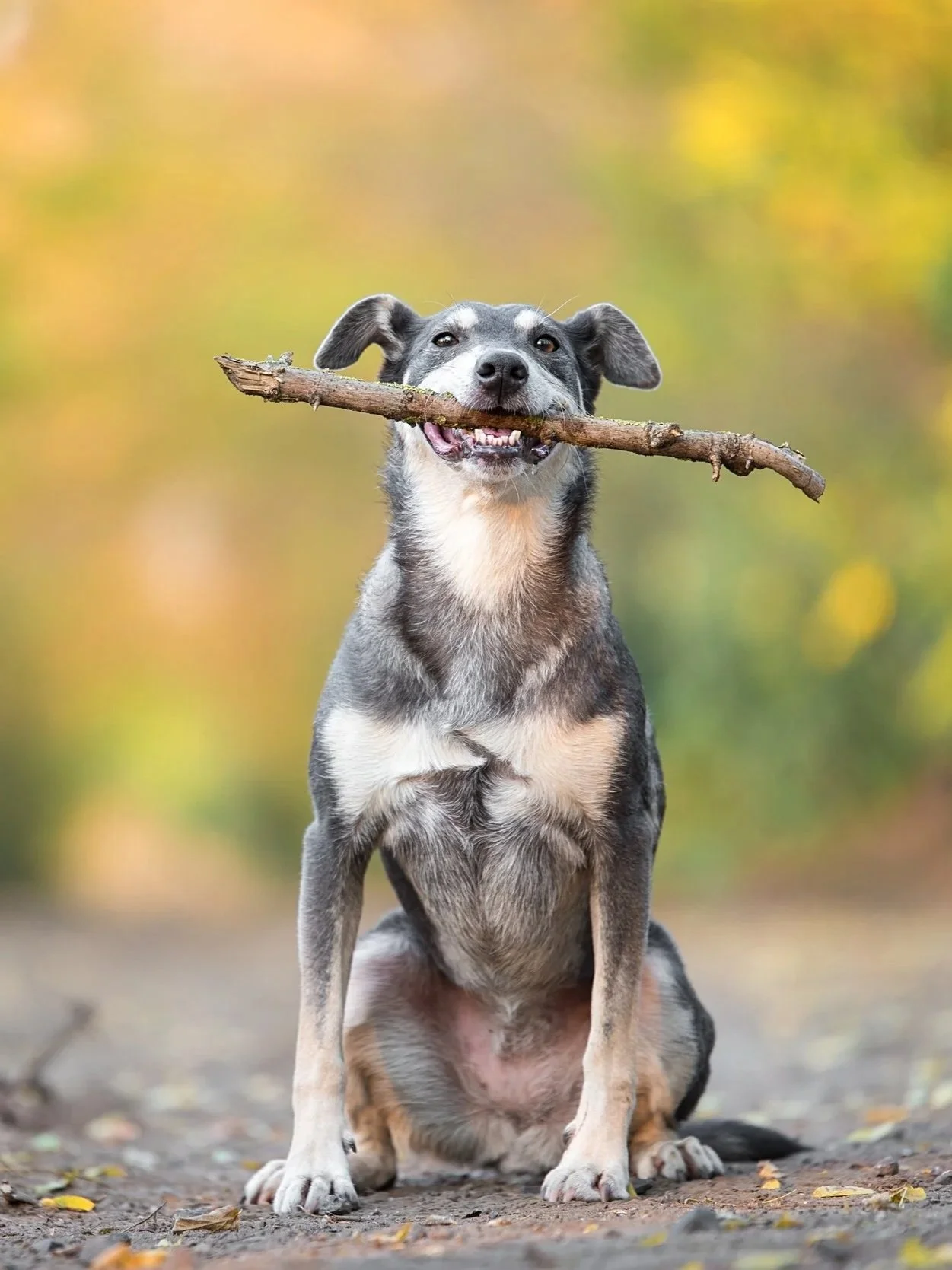
In this study, we are investigating how, what, and why family dogs choose to collect specific items! Some dogs have a very specific taste for their collections (sometimes literally!), and we are interested in what may drive these preferences. This project is in collaboration with Dr. Martin Zettersen, assistant professor at UCSD.
Other Species

Animal Joy
We’re working on a large-scale project to explore the ways animals express positive emotions and the effects these emotions have on the ways animals learn, socialize, and cooperate. In this project, we are collaborating with biologists, psychologists, and philosophers in the US, UK, EU, and New Zealand to develop new techniques for studying joy across a wide range of species. This project is funded by the Templeton World Charity Foundation.
Selected work:
Nelson, X. J., Taylor, A. H., Cartmill, E. A., Lyn, H., Robinson, L. M., Janik, V., & Allen, C. (2023). Joyful by nature: approaches to investigate the evolution and function of joy in non‐human animals. Biological Reviews, 98(5), 1548-1563.
Winkler, S., Laumer, I., & Cartmill, E. A. (2025) Bonobos tend to behave optimistically after hearing laughter. Scientific Reports
Check out the wonderful coverage of our work from Rebel Media’s “Stories of Impact” series!
Public Science About Animals
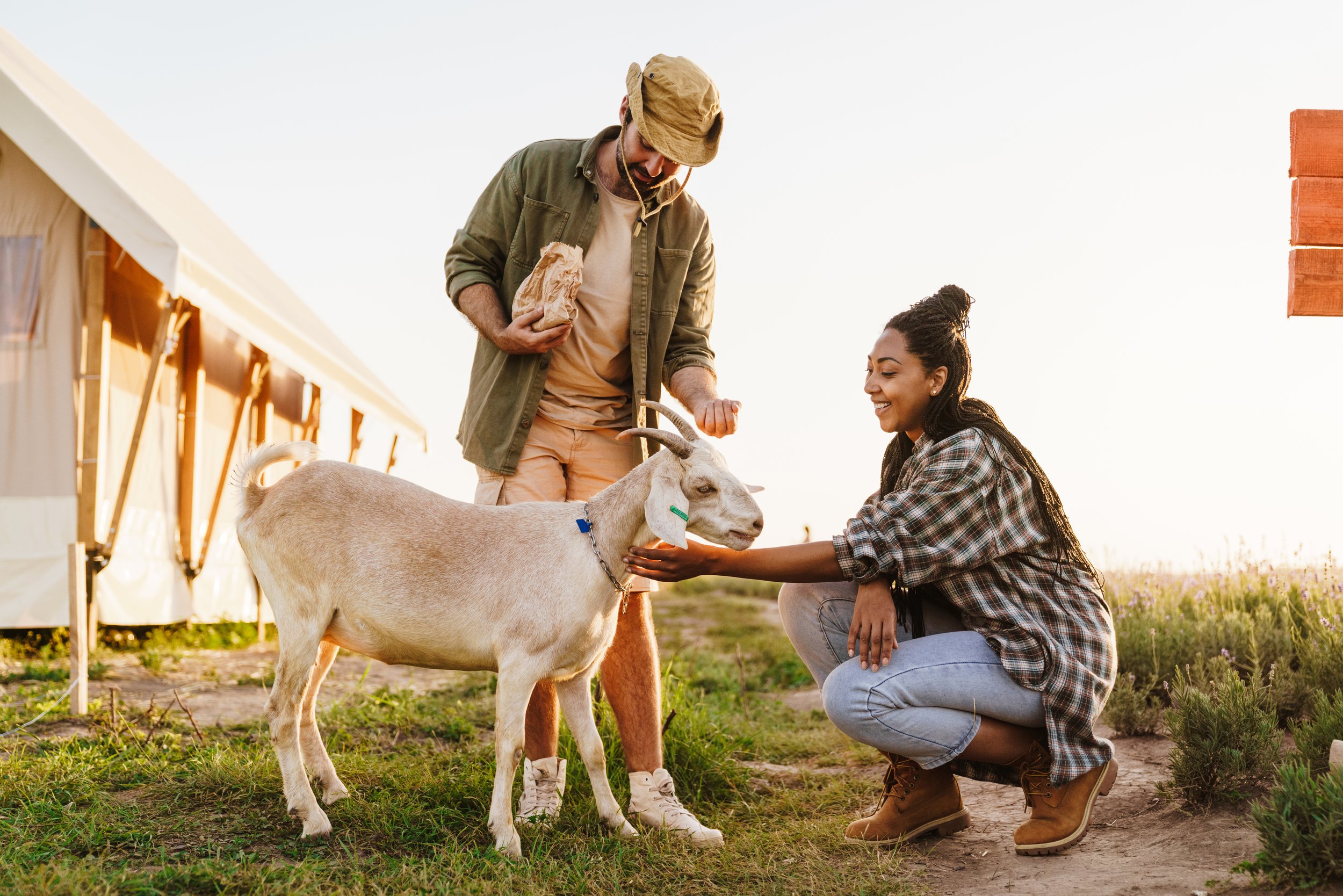
We are conducting studies and outreach with people around the world to study the minds and behaviors of animals. We’ve collected data on pets, farm animals, and wild animals. Learn more about our public science projects and sign-up to participate HERE.